
So many have said that 2025 is off to a crazy start. And they are not wrong. New leadership in the White House, wildfires in California, and airplanes literally falling out the sky. It sounds like the beginning of a disaster movie, or reminds me of the YA book The Giver when they explained why that society moved to “sameness.”
No matter what you do, there seems to be so much noise that we can’t even think straight.
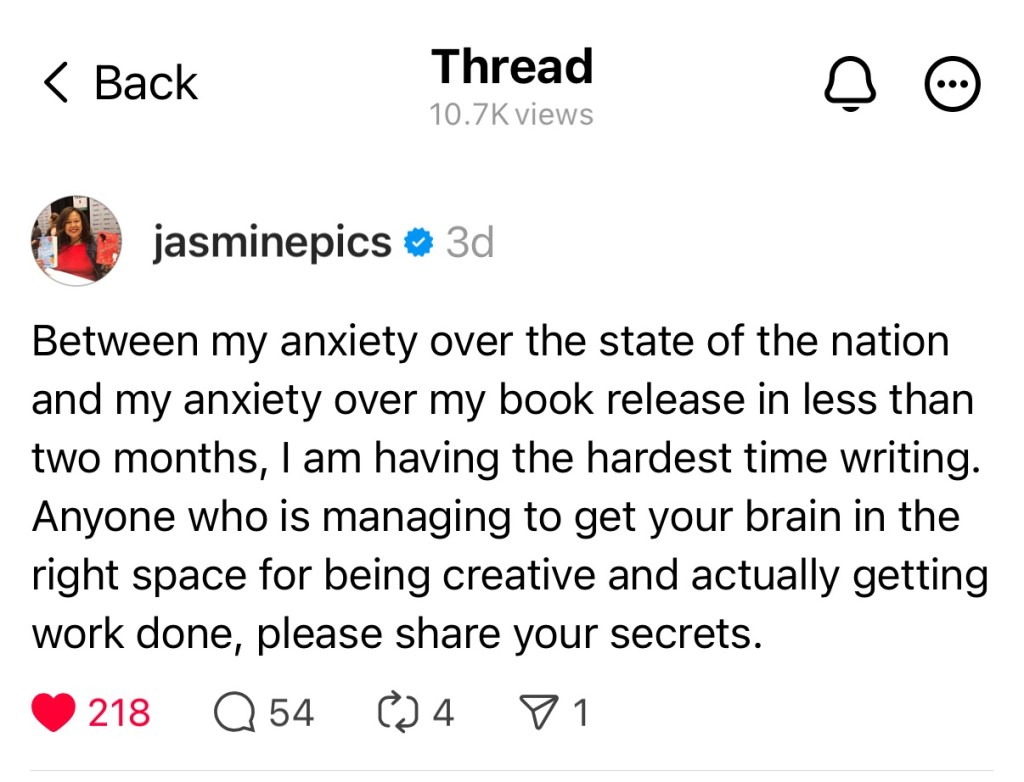
The world of education is no better. We are in the midst of a pendulum shift when it comes to literacy education and the best way to teach students to read. The 2024 NAEP scores were released, resulting in the alarm bells ringing again because the reading scores have dipped. If you work in a school district with a significant population of immigrant students, then you are trying to support both students and families as we navigate executive orders and the possibility of ICE knocking at the school house door.
Some might say, “there are always crazy times.” I think about the 1990’s when the new millennium loomed upon us. War raged in the middle east which generated fears of WW3 on the horizon. Y2K was on everyone’s mind worrying that we would somehow fall of the digital face of the earth. There were specials about Nostradamus and his predictions of possible disaster both natural and manmade. But something about now feels different.
Government agencies closing, federal funding abruptly halted, and people losing jobs at the wave of a pen on an executive order like casting a spell with a magic wand. Egg prices skyrocketing because of a bird flu outbreak that no one is really talking about. Before COVID that might not have raised alarms, but after living through the pandemic the lack of conversation lands differently. A measles outbreak in Texas amongst unvaccinated children. It all makes you think — What is going on?!? Are the end of days upon us?
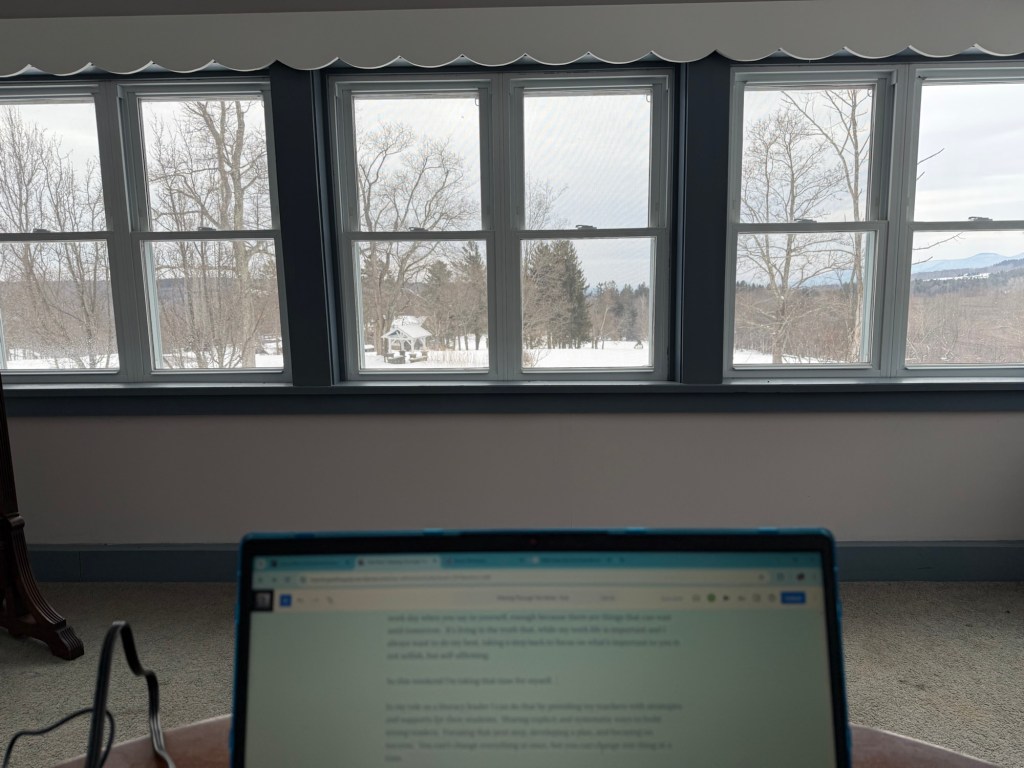
Even typing these thoughts out makes my head spin. As I write this I am sitting in a cozy bed at a writing retreat, looking at the snowy landscape outside my window, listening to classical music in the background, glad there is no television to disturb the piece. I want to hold on to this peace when I return home and just ignore what is happening in the world, but we can’t stick our head in the sand forever even when it seems the best course of action. As much as I might like to ignore the noise, I’m waiting on pins and needles for the next step and how it will impact our lives. On the other hand, too much consumption of news can be unhealthy, and we can’t go on social media and doom scroll ourselves into hysteria. So what do we do?
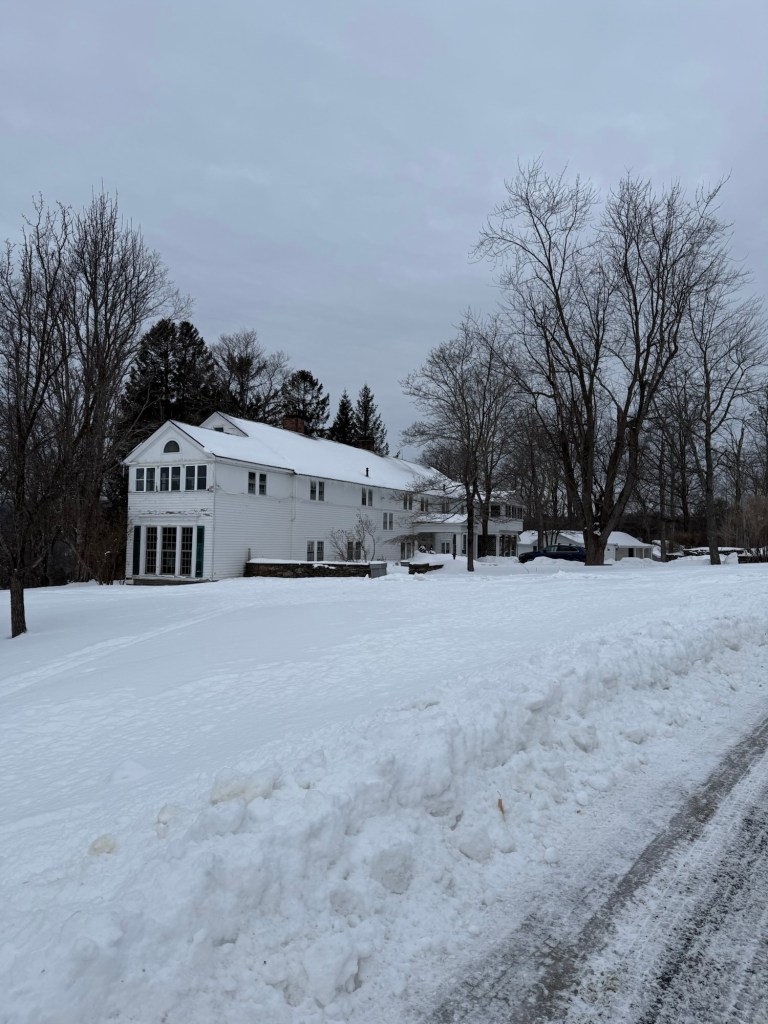
How do you navigate a world that feels like everywhere you turn the choices are terrible?
We can navigate challenging times by focusing our energy on hope for a better future and actively working towards making that possible.
At the National Council of Teachers of English (NCTE) convention this past November, one of the keynote speakers was lawyer, activist, and author Bryan Stevenson. During his captivating address, where he talked about the importance of truth and justice, Stevenson reminded us:
“We have to stay hopeful. And really believe it’s important that we identify the things that are making us hopeless and prevent those things from pushing us into despair. Hope is our superpower. Hopelessness is the enemy of justice. Justice prevails where hope persists. We’ve got to be hopeful, and while hopeful is not always rational, it is always necessary.”
How do we stay hopeful in a time that feels hopeless?
First, let’s be honest. The answer to that question is not a simple one. It will depend on the situation, circumstance, resources and will. We can find hope by focusing on the things that are in our locus of control. Using our power and privilege for a purpose. Putting one step in front of the other and moving forward. What does that look like? It could mean contacting your local politicians, attending school board meetings in your school district, or interrogating ways that you can shift what you do in your daily life in an impactful way. Figuring out the right next step can feel overwhelming, and stress can have such a negative impact on our health, which is usually the moment when people give advice about self-care. The idea of self-care can feel trivial and over used, but the at its core the idea is real. Just like the directions on the airplane about putting your own mask on before helping others, what can you first do to help yourself?
For me, I help myself by taking a time out. That could involve small things like having a lazy morning in bed on the weekend, spending time at the beach, or deciding to let cleaning the house wait until another day. Maybe it’s doing parts of the to-do list instead of the whole thing and reminding yourself to be satisfied with that. It’s going on vacation and removing the work email from my phone, so even though I might open the mail app I don’t see the messages. Simple things like putting my phone away in the evening when I spend time with my husband. It’s that moment at the end of a work day when you say to yourself, enough, because there are things that can wait until tomorrow. Living in the truth that, while my work life is important and I always want to do my best, taking a step back to focus on what is important to me is not selfish, but self-affirming.
So this weekend I’m taking that time for myself. Turning off the noise. Putting some things aside. Getting down on paper the thoughts in my head. Prioritizing the time to write, read, think, and dream.
Monday I will go back to reality. Still taking a step back from the noise and focusing on my family as I enjoy some days off for the winter school break.
Next week I’ll go back to work and prioritize the list. Questioning if the noisiest item is the most important. Deciding where to focus, and then taking one step in that direction. The list is important, it’s also long and all the things need to get done. I also have to remember that everything doesn’t have to get done tomorrow. As long as there are steps forward we will get there. Maybe next week. Maybe next month. Maybe next year.
Forward progress is still progress. Even if it doesn’t go as fast as you like.
Ignoring what is happening isn’t realistic, because you need to know what lies on the road ahead so you can face the challenges to come.
Blocking out the noise is necessary so you can focus on what matters.
Prioritizing yourself is thoughtful, because if you are not focused on the right goal then the noise wins.
Just breathe. And work towards hope for a better tomorrow.
As you think about your next step and how you will filter through the noise and let hope grow, hold fast to these words from the end of Amanda Gorman’s inaugural poem The Hill We Climb.
If we merge mercy with might, and might with right, then love becomes our legacy and change our children’s birthright.
So let us leave behind a country better than the one we were left.
Every breath from my bronze-pounded chest, we will raise this wounded world into a wondrous one.
We will rise from the golden hills of the West.
We will rise from the windswept Northeast where our forefathers first realized revolution.
We will rise from the lake-rimmed cities of the Midwestern states.
We will rise from the sun-baked South.
We will rebuild, reconcile, and recover.
And every known nook of our nation and every corner called our country, our people diverse and beautiful, will emerge battered and beautiful.
When day comes, we step out of the shade aflame and unafraid.
The new dawn blooms as we free it.
For there is always light, if only we’re brave enough to see it.
If only we’re brave enough to be it.
Focus on the light, and let hope persist.
 Teaching with Equity