
Four Years Later
Do you still feel like the pandemic was a blackhole we fell into where time and space seemed to get lost? I feel like it’s easy to delineate before the pandemic, but still wonder when exactly we moved to “post pandemic?”
At this time four years ago we had no idea how crazy life would become. We all were moving through our lives thinking that the talk about COVID-19 would be another blip in the news cycle that would disappear quickly. As teachers we figured our immune system was so strong that we didn’t need to worry about this “scary” virus floating around. After all, remember the Bird Flu scare where they told us that regular anti-bacterial sanitizer wouldn’t work and instead they installed “anti-viral” dispensers in classrooms in place of the hand sanitizer? I remember that the goo it dispensed was meant to coat your hands to create a barrier for the germs, but just made you feel more dirty and slimy. Districts spent money on these products that expired before they were even used and we all shook our heads and moved along.
As we moved into the spring of 2020 the COVID warnings increased, but we all still felt that this would pass quickly … another event on the “end of the world” radar. Mid-March 2020 I went on a girls trip where we joked that if one of us had COVID we’d shut down three different school districts. As we settled into our rental home for the weekend, we had no idea what was about to come. After all, it was Friday the 13th, what could possibly happen?
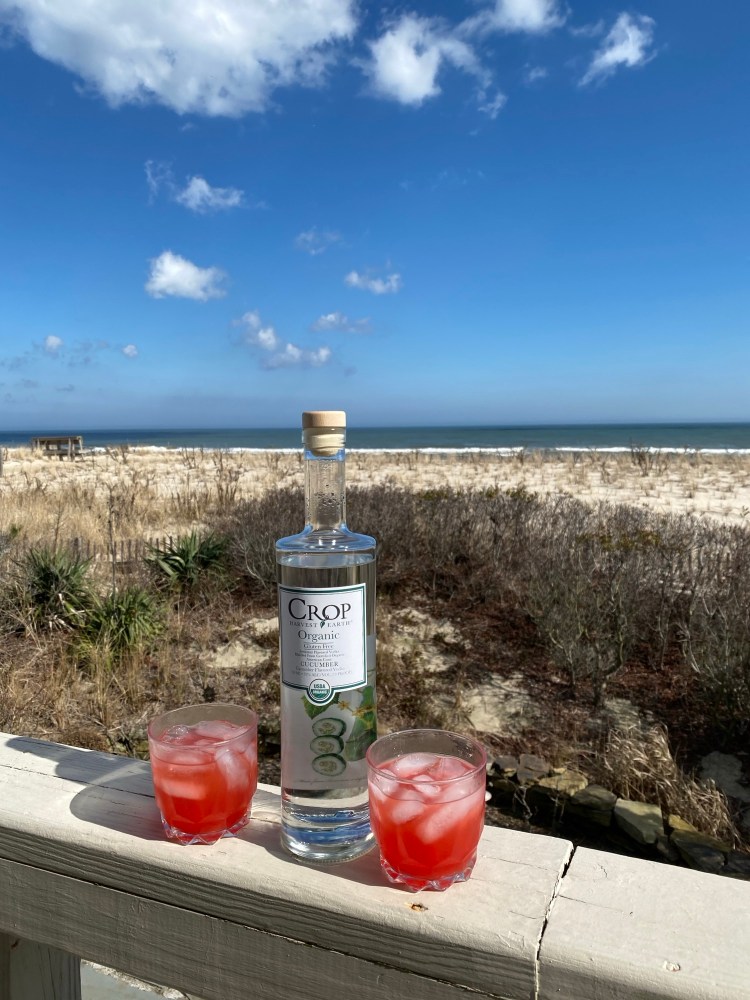
Through the course of the weekend the impending change began. First, we started to receive phone calls from our districts that school would be closed the following two weeks. And since we were a few weeks away from spring break, we thought that maybe schools would close until after the break, which would allow 4-5 weeks of separation. I had tickets for a trip to the Caribbean … the first trip my husband and I were taking in years … and I kept thinking that by next month everything should be fine and we’d be able to go on vacation.
Since we were in a beach town during the off season, we figured we’d go shopping to buy some supplies, assuming the panic hadn’t spread here, but found the supermarket shelves empty of toilet paper and cleaning supplies. Although we all kept a brave face, the panic and uncertainty started to creep in.
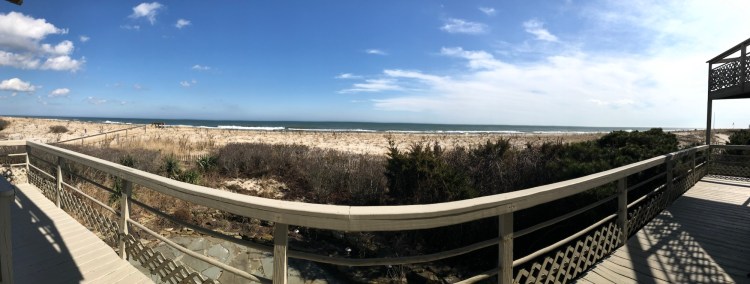
By Monday morning the world around us was changing rapidly. Schools were closed, and by the end of the week the whole state was sent home for mandatory quarantine. We settled in for this “time-off” still thinking it would last for a couple weeks, and instead turned into months.
Even though I lived through it, that time still seems like something out of a science fiction movie. I remember being thankful that the weather was mild because at least I could still walk in the neighborhood. My husband, like so many, did a deep dive into Netflix – yes, he did watch the Tiger King.
Life in the New York City area was apocalyptic. One day my brother and his wife took a drive through the empty streets of Manhattan, stopping and parking in places that are usually congested with people. I assisted with the distribution of meals to families in the school community, and helped my principal navigate Google Suite to hold virtual meetings to check in with our teachers. I was glued to the daily briefings by then Governor Cuomo, and supporting local restaurants by ordering take out.
What we know now that we didn’t know then, is that living in the vicinity of NYC, which became the epicenter of so much tragedy, our COVID shutdown experience was very different from other parts of the country. A friend from high school worked as an ER doctor at Elmhurst Hospital where the number of sick and dying grew exponentially. Another friend, who is a hospital physician assistant, moved out of her home and in with her mother for fear of exposing her husband and children to the virus. While other colleagues across the state were figuring out what to do at home and navigating virtual learning without directly feeling the impact of the pandemic.
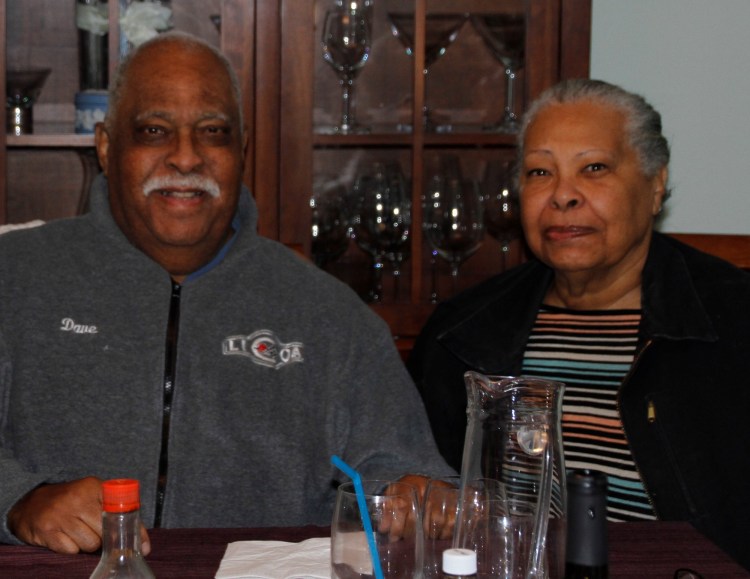
I lost several people close to me in the early weeks of the pandemic. In particular, COVID-19 took the life of my father’s sister. I spoke with her during the first week or so of being home, only days before she ended up in the hospital and about three weeks before she lost her battle with COVID-19. What made this loss particularly challenging was the way in which the pandemic disturbed her final days and the whole grieving process. My father passed away in December 2018, and as I heard from my cousins that his sister was admitted to the hospital in April 2020 I thought about my Dad and worried about my Aunt. Because of the pandemic my cousins had to drop off my Aunt at the hospital and then rely on phone call updates from the doctors and nurses since visitors were not allowed inside the hospital. My Aunt passed away on April 25, 2020, about 10 days after my brother and I learned that a beloved high school football coach died, and five days before my mother’s cousin passed away, all from COVID-19. Throughout the 20+ days his sister was in the hospital, I constantly thought about my Dad, and felt thankful that his time to leave us didn’t happen in this way. The pandemic robbed my cousins not only of the ability to say goodbye to their mother, but also when she passed they couldn’t participate in the gatherings that comfort you after a loss. Only 10 people could attend the burial. On that day it was disturbing to enter the cemetery and see so many open graves, freshly closed gravesites, and lines of funeral processions.
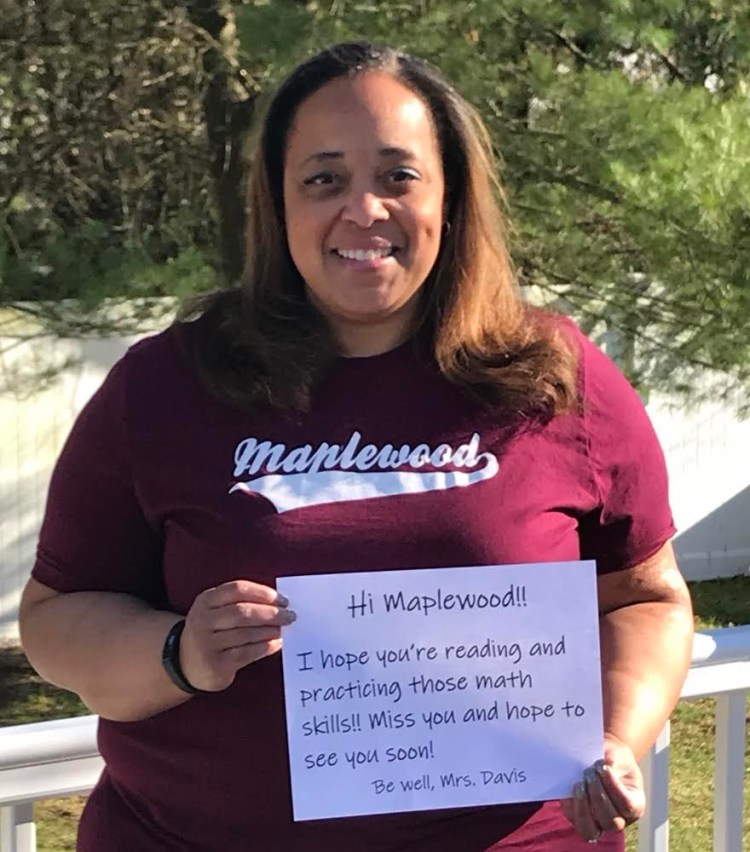
When I first walked back into the school building it was like stepping into a giant time capsule. Calendars stuck in March. Items left waiting to be done. As the weeks dragged on we developed activities to build connections. I started my building’s Instagram page, where we posted student artwork, pictures of virtual learning, and virtual spirit weeks. The PTA held a virtual dance party and trivia night. My building and the primary school that fed into our building held a car parade to say hello to families and students. Teachers struggled with and learned to persevere through virtual learning.
So much changed so quickly.
The forced shut down highlighted so much. The importance of connection. The need for community. As well as the many equity issues in the country.
Virtual learning was an answer. Unless you didn’t have a device or internet access.
When George Floyd was murdered there seemed to be a collective reckoning and understanding that, as Orwell says in Animal Farm,“All [people] are equal, but some [people] are more equal than others.”
We closed the school year with virtual celebrations and hoped that we could “go back to normal” for the beginning of next school year.
What does hindsight tell us? How do we move forward in this changed world?
In April 2020, writer Arundhati Roy wrote this piece published in the Financial Times reflecting on the pandemic in India. His article ends with this:
Historically, pandemics have forced humans to break with the past and imagine their world anew. This one is no different. It is a portal, a gateway between one world and the next. We can choose to walk through it, dragging the carcasses of our prejudice and hatred, our avarice, our data banks and dead ideas, our dead rivers and smoky skies behind us. Or we can walk through lightly, with little luggage, ready to imagine another world. And ready to fight for it.
What should we leave behind?
What carcasses are we dragging through?
When it comes to education this is a critical question. The pandemic put a spotlight on a variety of disparities. There seemed to be agreement that this system doesn’t work in a way that’s equitable for all students.
Yes. We talked about learning loss. We talked about what the students didn’t get. But how can we use this portal to imagine another world? What tools do we need for teachers and students to be prepared to fight for this new world?
Four years later we still seem to be pondering this question. Most likely schools have gone back to pre-pandemic practices despite talking about ways to make change. The “noise” of closing gaps, accountability and expectation have drowned out the desire / ability / planning to make meaningful change. It seems that we continue to drag the carcesses of the past through the portal, rather than leaving them behind and starting anew.
I’m not sure about the correct answer because change, with solid planning and clear systems, happens painfully slow and so often we don’t have the patience to allow it to happen.
But we owe the next generation something. They deserve us doing better when we know there are things that don’t work. How we make that change is the challenge. What’s the first step? What small goals can we set?
We can’t change everything overnight. But we won’t change anything if we don’t try.
 Teaching with Equity